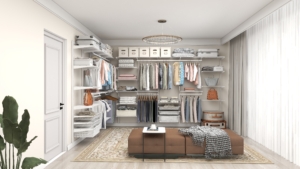
How Elevated Storage Design Enhances Resident Experience and Drives Retention in Premium Communities

In luxury communities, residents don’t just expect a nice unit—they expect a seamless lifestyle. And often, it’s the subtle details that shape their experience from the moment they step inside. One of the most overlooked elements? The closet.

Closet design may not be the flashiest amenity in your building, but it speaks volumes about quality, attention to detail, and long-term livability. And in a premium high-rise, that matters.
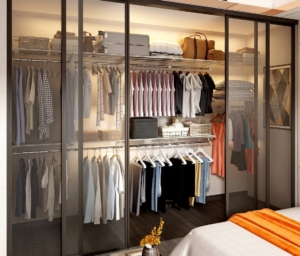
Closet Design as a Reflection of Property Quality

Closets are one of the first spaces residents open during move-in. If what they see is sagging wire, shaky brackets, or haphazard installs, it sets the wrong tone. Residents begin forming opinions about the rest of the unit—and your brand—before they’ve even unpacked.

Well-designed closet systems communicate care, craftsmanship, and consistency. They show that the property isn’t just beautiful on the surface, but thoughtfully built throughout.

Move-Ins, First Impressions, and White-Glove Living

In high-rise living, your team works hard to create a white-glove experience—from concierge service to curated amenities.

But if a resident opens their closet and sees a basic wire shelf wobbling under its own weight, it disrupts that feeling instantly.

Premium closet systems elevate the move-in experience. They feel clean, intentional, and effortless. No confusion about where to hang items. No last-minute maintenance requests. Just smooth, resident-first design that reflects the standard of service your team is known for.

The Link Between Storage, Satisfaction, and Retention

Closets play a quiet but powerful role in how residents feel about their homes. Lack of storage is one of the top unspoken frustrations in luxury units. Residents may not voice it—they may not even realize it—but they feel it every day.

More thoughtful storage means more control over their space. And when residents feel more at ease, they’re more likely to renew, refer friends, and engage positively with your team.
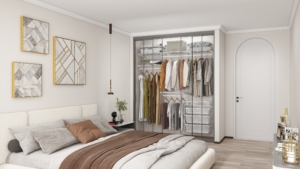
Small Upgrade, Big ROI

In the world of luxury interiors, closet upgrades are one of the most cost-effective ways to improve both perception and performance. While other finishes might steal the spotlight, closet systems impact daily routines—which means they impact satisfaction in a very real way.

They also reduce maintenance requests, speed up turns, and keep your property looking polished long after the initial lease-up.

The Bottom Shelf

Luxury renters expect more—and they notice when something feels like an afterthought. By upgrading closets, you’re not just giving them a better place to hang their clothes. You’re giving them a better reason to stay.

Because in luxury living, every detail matters. Even the closet.


Like this article? Sign up for our email newsletter and receive a monthly update with top blog posts, industry insights, and company updates! Click Here to Sign Up!
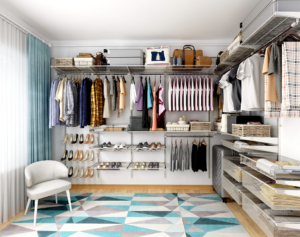
How Practical Design Choices Are Shaping the Future of Multifamily Living

For years, multifamily developments have competed to offer the most eye-catching amenities—rooftop pools, coworking lounges, state-of-the-art gyms. But the reality? Residents spend far more time inside their apartments than in these shared spaces. Today’s renters are looking beyond the glitz, prioritizing functionality, convenience, and livability. And in a market where vacancy rates are rising and new supply is flooding the market, developers who recognize this shift will be the ones who come out ahead.

One of the biggest deal-breakers for modern renters? Storage. It’s an essential yet frequently overlooked aspect of apartment design. According to Greystar’s 2024 Design Survey, a walk-in closet is the #1 most desired apartment feature, with 88% of renters calling it a must-have. Yet many new developments are still treating storage as an afterthought. Instead of making room for practical, high-quality storage, developers focus on flashy finishes that do little to improve daily life. The demand for built-in organization, adjusta

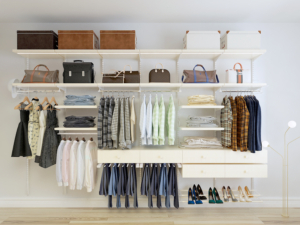
Logic Closet by Spatia Designs

ble shelving, and multi-use storage solutions is higher than ever—and renters will pay more for units that meet this need.

Beyond storage, flexibility is becoming a defining factor in apartment design. More than a quarter of renters cite a lack of space as the primary reason they move. As remote and hybrid work models persist, renters are looking for homes that adapt to their evolving lifestyles. Smart layouts with built-in desks, sliding partitions, and customizable shelving allow apartments to function as home offices, exercise spaces, and relaxation areas—all without requiring additional square footage. These subtle but thoughtful upgrades increase lease appeal, improve resident retention, and drive higher NOI—a win-win for developers and tenants alike.

While technology continues to shape the industry, renters are getting smarter about what tech actually improves their experience. While 82% of renters want at least one smart home feature, not all innovations are welcome. Keyless entry, smart thermostats, and energy-efficient lighting remain top requests, but renters are less enthusiastic about overly complex or gimmicky smart home integrations. Meanwhile, AI-driven leasing and maintenance management are becoming industry standards, but property managers must find a balance—residents still value human responsiveness, and too much automation can negatively impact the experience. The key is integrating tech that enhances convenience without overcomplicating daily life.

With all these changes, one surprising trend is emerging: residents care less about shared amenities than they do about in-unit conveniences. While large-scale developments still emphasize coworking spaces, high-end gyms, and rooftop lounges, renters are more focused on their daily living experience. In-unit laundry, pet-friendly features, and well-designed kitchens with ample storage are becoming more influential in leasing decisions than oversized kitchen islands or high-end designer finishes.

And then there’s sustainability. Nearly 70% of renters now say sustainability influences their housing choices. Green-certified buildings, energy-efficient lighting, water-saving fixtures, and eco-friendly materials are not just selling points; they’re fast becoming expectations. And beyond resident demand, these investments reduce long-term operating costs, making them financially smart for developers as well.

A Luxe Walk-in Closet by Spatia Designs

So what’s the point? Multifamily developers need to rethink what truly drives leasing decisions. It’s not just about offering the most luxurious rooftop pool or a state-of-the-art gym—it’s about creating spaces that work for real life. Renters want apartments that function better, store more, and adapt to their needs. Developers who embrace this shift will be the ones who reduce vacancy, increase NOI, and build communities where residents actually want to stay.


Stay up to date with Spatia Designs, subscribe to our newsletter! Property Management Teams—Sign up for our newsletter for the free The Ultimate Multifamily Closet Design Guide! – Click Here

Developers & Owners—Sign up for our newsletter and gain access to The Developer’s Playbook: How to Reduce Vacancy & Increase NOI with Simple Upgrades – Click Here


The largest foreign direct investment in U.S. history is happening in Phoenix.

Taiwan Semiconductor Manufacturing Company (TSMC) is committing $165 billion to build three cutting-edge semiconductor fabrication plants, two advanced packaging facilities, and a sprawling R&D center.

Beyond the 40,000+ construction jobs and tens of thousands of permanent high-paying positions, this investment will transform the local economy—and supercharge demand for housing.

For multifamily developers, investors, and property managers, this presents an unparalleled opportunity. The influx of workers and businesses into Phoenix means the competition for well-located, well-designed apartments is about to heat up.


Why This Investment is a Game-Changer for Multifamily

The semiconductor boom isn’t just about factories—it’s about entire ecosystems of suppliers, service providers, and support industries setting up shop nearby. That means thousands of professionals, from engineers to technicians, relocating to the area and needing housing.

Here’s why multifamily developers should be paying attention:


Phoenix’s Housing Market is Already Tight

Despite a wave of new apartment deliveries, vacancy rates in Phoenix remain below national averages in many submarkets. According to recent data from RealPage Analytics, Phoenix has absorbed new supply well, and rents have remained resilient even with new developments coming online.

TSMC’s expansion will only add to demand in a market that has already been one of the country’s fastest-growing metros for years.


Class A, B, and Workforce Housing Will Be in High Demand

While many of TSMC’s employees will be engineers, scientists, and corporate professionals, the ripple effect will bring in thousands of skilled laborers, support staff, and suppliers. This means that luxury, mid-tier, and workforce housing will all see increased demand—not just high-end apartments.

Developers who balance affordability with design and functionality will have the biggest advantage.


New Developments Are Already Rising Near TSMC

It’s no secret that developers are watching this semiconductor investment closely. One of the biggest projects in the pipeline is Halo Vista, a $7 billion mixed-use development near TSMC’s manufacturing complex.

This 30 million-square-foot “city within a city” will feature residential units, hotels, retail, and even educational facilities, designed specifically to accommodate the thousands of workers relocating to the area.

But Halo Vista won’t be the last. Expect to see master-planned communities, high-density multifamily developments, and mixed-use projects spring up all around North Phoenix.


Residents Will Have Options—Make Your Property Stand Out

With so much new supply coming online, property managers and developers need to think strategically about how to attract and retain residents.

High-end amenity spaces are great, but the real value lies in making the actual units more livable.

That means better storage solutions, thoughtfully designed interiors, and small upgrades that make a big impact on daily life.


How Spatia Designs Helps Developers Maximize NOI in This Boom

At Spatia Designs, we understand that multifamily developments aren’t just about filling units—they’re about long-term retention and maximizing NOI.

A Logic Closet by Spatia Designs

Our custom, durable closet systems are an affordable but high-impact upgrade that:

✔️ Boost leasing appeal—Residents are looking for storage solutions that make daily life easier. Walk-in closets are among the top 5 most desired amenities according to Greystar’s 2024 Design Survey.

✔️ Reduce maintenance and turnover time—Our stronger, more adaptable systems mean fewer broken shelves, faster turns, and less downtime between leases.

✔️ Increase property value—Small unit upgrades like storage solutions can add $1,000+ per unit in NOI, making them an easy way to justify rent premiums.

With Phoenix’s multifamily market set to explode, developers and investors who invest in the right details now will be the ones who thrive in the long run.


Are Your Properties Ready for the Coming Boom?

If you’re developing near TSMC—or anywhere in Phoenix—you can’t afford to overlook the small design choices that lead to big NOI growth.


Subscribe to our Newsletter to stay up to date with industry insights! If you sign up today you can get up to 40% off your first purchase! Click Here To Subscribe!

Forget flashy amenities—today’s renters are prioritizing storage that works for their lifestyle. Here’s how better closet design can impact NOI, leasing speed, and resident retention.


Closets might not be the first thing that comes to mind when upgrading a multifamily property, but they’re one of the most used spaces in a home. A well-designed closet isn’t just storage—it’s an experience. And in 2025, residents expect more.

Here are five closet design trends shaping the multifamily market and how they impact property value, resident satisfaction, and retention.


1.) Adjustability: The Key to Long-Term Functionality

One-size-fits-all closets no longer meet the needs of today’s renters. Adjustable shelving, modular components, and customizable layouts give residents the flexibility to tailor their closet to their lifestyle.

For example:

•A young professional might need extra space for shoes and work attire.

•A small family may prefer more shelving for storage bins and seasonal clothing.

•A downsizing renter might prioritize easy access and organization.

Closets that can evolve with the resident provide long-term usability, which means fewer frustrations and a better chance of lease renewal.


📈 Impact: More adaptable storage solutions increase usability, enhance resident satisfaction, and reduce turnover by making the unit more livable over time.

A Logic Closet by Spatia Designs


2.) Sustainable Materials & Eco-Friendly Design

Green building isn’t just a buzzword—it’s a priority. Closets made with FSC-certified wood, recycled materials, and non-toxic finishes align with sustainability initiatives and appeal to eco-conscious renters.

Property managers and developers are also seeing energy-efficient LED lighting, VOC-free coatings, and sustainable manufacturing practices as an easy way to boost sustainability credentials. With ESG (Environmental, Social, and Governance) factors influencing investments and leasing strategies, these small upgrades can have a big impact.

📈 Impact: Sustainable upgrades align with modern renter expectations, enhance brand reputation, and improve leasing velocity. They can also support compliance with green building certifications that attract high-value tenants.


3.) Walk-In Closets Are the New Must-Have Amenity

According to Greystar’s 2024 Design Survey, 88% of renters want a walk-in closet—making it the most desired feature in modern apartments. Large, organized spaces are seen as a premium amenity, even rivaling in-unit laundry.

This demand isn’t just about luxury—it’s about functionality. Walk-in closets create better storage flow, reduce clutter, and provide a sense of privacy within a unit. Some properties are even incorporating built-in vanities, seating area

s, or dressing nooks to maximize their appeal.

📈 Impact: Investing in larger, better-designed closet spaces can boost rent premiums and leasing speed. It’s a relatively small capital expense with a high return in resident satisfaction and NOI growth.

A Luxe Walk-in Closet by Spatia Designs


4.) Smart, Well-Lit Spaces Are the New Standard

No one likes rummaging through a dark, cluttered closet. Built-in LED lighting, motion sensors, and aesthetically pleasing finishes are turning closets into intentional design features rather than an afterthought.

Smart features are also making their way into closet organization. From built-in storage tracking apps to charging stations within shelves, residents are looking for solutions that bring convenience to their daily routines.

📈 Impact: Upgraded closet lighting and smart features improve perceived unit value, elevate resident satisfaction, and make your property stand out in competitive leasing markets.


5.) Built-In Storage Maximizes Every Inch of Space

As unit sizes fluctuate to balance affordability and functionality, renters are prioritizing closets that make the most of every square foot.

More developers are turning to floor-to-ceiling built-ins, pull-out drawers, integrated shoe racks, and hidden storage compartments to enhance organization without increasing unit size.

Closets that feature a combination of open and closed storage—allowing residents to display select items while keeping others tucked away—are also becoming more popular.

📈 Impact: Better-designed built-in storage improves unit functionality, reduces clutter, and enhances the overall living experience, helping properties stand out in a competitive market.


The Bottom Shelf

Closets are no longer just about storage—they’re an amenity. As competition in multifamily grows, small design upgrades like better closet systems can significantly impact NOI, resident retention, and leasing velocity.

Want to see how Spatia Designs can transform your closets? Signup for our Weekly Newsletter – or Email Us @ info@spatiarents.com