Apple’s Historic Investment Set to Drive Housing Demand & Spur Multifamily Development Nationwide


Apple’s massive $500 billion investment into U.S. infrastructure and manufacturing isn’t just a tech industry headline—it’s a game-changer for real estate developers, multifamily operators, and property managers.

With new factories, research centers, and training hubs popping up across the country, thousands of jobs will follow. And where there are new jobs, there’s new housing demand—which means new apartment construction and repositioning opportunities for developers.


What This Means for Multifamily Development

Apple’s investment will be a catalyst for rapid housing growth near its planned development sites, including its new Houston manufacturing facility, Michigan training academy, and expanding research centers.

This surge in demand will impact both new construction and existing apartment communities, creating opportunities for developers and operators to:


Build New Multifamily Properties – With thousands of high-paying jobs being created, housing demand will increase in surrounding areas, requiring new developments.

Upgrade Existing Properties – In competitive rental markets, apartment operators will need to differentiate their communities with modernized interiors, enhanced storage solutions, and resident-focused amenities.

Focus on Resident Experience & Retention – As more jobs drive rental demand, attracting and keeping residents with smart unit upgrades and functional living spaces will become a key NOI driver.


Spatia Designs: Helping Properties Stay Competitive
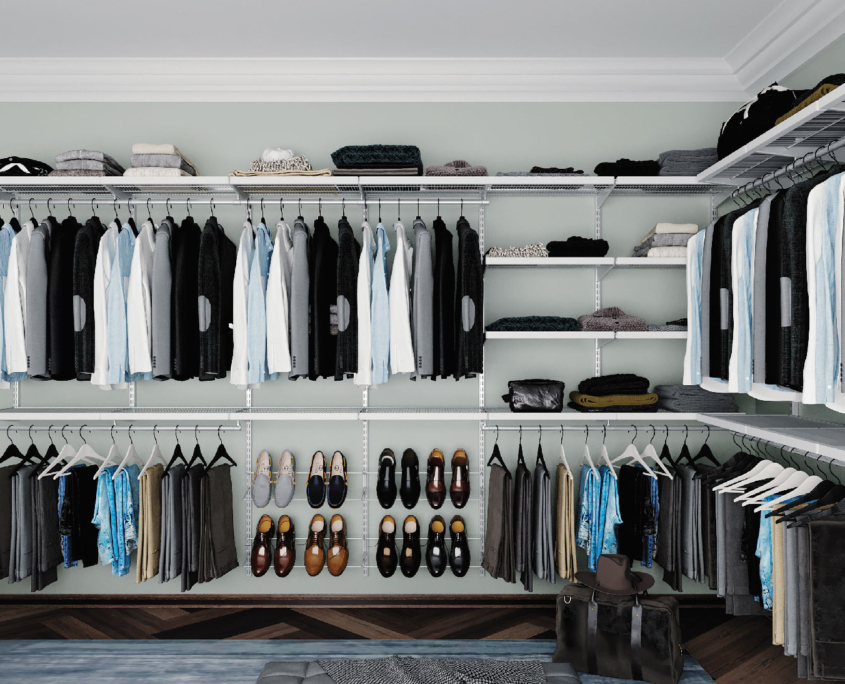
Luxe closet

In markets where new development is inevitable, existing properties must compete with brand-new builds. One of the simplest ways to increase resident satisfaction and boost rent potential? Closet upgrades.

🚀 88% of renters in Greystar’s 2024 Design Survey said they prioritize walk-in closets, proving that smart storage solutions aren’t just a “nice to have”—they’re a leasing advantage.

Spatia Designs’ closet systems help properties stay competitive by offering:


High-end storage solutions at a fraction of the cost

Stronger, more durable shelving that outperforms wire racks

Easy-to-install systems that reduce downtime at unit turns


The Bottom Line

Apple’s investment is about more than just tech innovation—it’s creating hotbeds for real estate growth. Multifamily developers and operators near these expansion zones should be proactive in positioning their properties for success.

Because when thousands of high-income professionals flood a market, the properties that stand out will be the ones that win.

If you’re preparing your portfolio for growth, let’s talk about how smart upgrades—like functional closet systems that residents actually want—can be a low-cost, high-value NOI booster.


Stay ahead of the trends shaping multifamily development. Sign up for our newsletter to get exclusive insights, market updates, and smart strategies to maximize NOI. Join us today and receive 40% off your first order!

Small But Mighty… And Cost Effective


When property owners think about boosting Net Operating Income (NOI), the first instinct is often raising rents. While rent increases can certainly drive revenue, they aren’t always the best or most sustainable option—especially in today’s market, where renters are more selective and value-driven than ever.

But what if there was a way to increase NOI without increasing rent?

Small, strategic upgrades to apartment interiors can drive higher retention, justify premium pricing, and improve operational efficiency—all without the risk of pricing out potential residents.

The Hidden ROI of Small Upgrades

Residents don’t just sign leases based on flashy amenities—they sign (and renew) based on how functional, comfortable, and livable their space is. According to the 2024 Greystar Design Survey:

📊 88% of renters say a walk-in closet is a must-have.

📊 63% of renters would pay more for improved storage solutions. $50-$75 More per month!

📊 Well-designed interiors can increase renewal rates by up to 10% (J Turner Research).

The connection is simple: Residents who love their living space are more likely to stay.

Every move-out costs an owner $4,000 on average between marketing, make-ready costs, vacancy loss, and staff time. Even a 1% increase in retention can add thousands to NOI annually—far more than a rent hike alone.

What Kind of Upgrades Actually Move the Needle?

Not all upgrades are created equal. The key is investing in enhancements that improve daily life while keeping costs manageable.


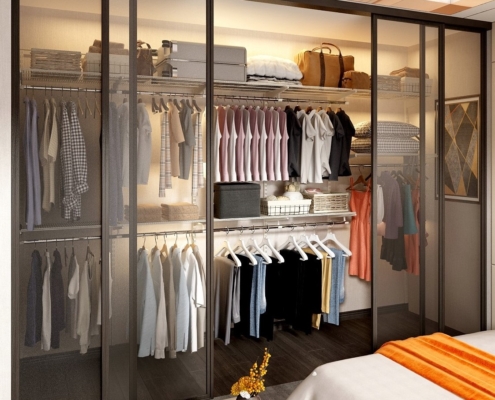
Logic Closet By Spatia Designs

Here are some high-impact, low-cost upgrades that drive NOI growth:

✔ Closet Systems That Maximize Space – Walk-in and reach-in closets are top resident priorities, and a well-designed storage system can add real value to any unit and your property as a whole.

✔ Modern Lighting Fixtures – Upgrading from outdated fixtures to LED lighting improves energy efficiency and creates a more premium aesthetic.

✔ Smart Thermostats & Keyless Entry – While smart tech isn’t for everyone, practical tools like thermostats that save on energy costs or keyless entry for seamless access are widely valued.

✔ Bathroom & Kitchen Fixtures – Swapping out old faucets and cabinet hardware for modern alternatives instantly elevates a unit without major renovations.

The NOI Equation: Small Changes, Big Returns

Instead of focusing only on rent hikes, multifamily owners should ask:

💡 How can I increase NOI by enhancing what residents already use every day?

🔹 1% retention increase = $250,000 annual savings on a 1,000-unit portfolio.

🔹 Faster lease-ups = Less downtime and fewer costly vacancies.

🔹 Lower maintenance costs = Upgrading durable, functional features leads to fewer work orders and reduced staff workload.

Small upgrades create real, measurable NOI improvements—and unlike rent hikes, they benefit both residents and owners.

Invest in the Details, Reap the Rewards

In a market where supply is rising and renters have more choices, the competitive edge goes to properties that prioritize livability and long-term value.

A small investment in practical, high-impact upgrades can pay off far more than simply raising rent—in higher retention, reduced turnover costs, and stronger NOI growth.

Ready to upgrade your closets? Get 40% off your first order—exclusively for our newsletter subscribers. [Click here to claim your discount!]

Turnover is often treated as a routine expense in multifamily operations, but its impact on NOI (Net Operating Income) is anything but ordinary. With the average unit turnover cost exceeding $5,000, the financial implications can quickly eat away at NOI like a late-night craving for turnovers devours your diet plan.

In 2025, focusing on retention and tackling turnover head-on isn’t just a strategy—it’s a necessity.


Let’s “Turnover” the Numbers
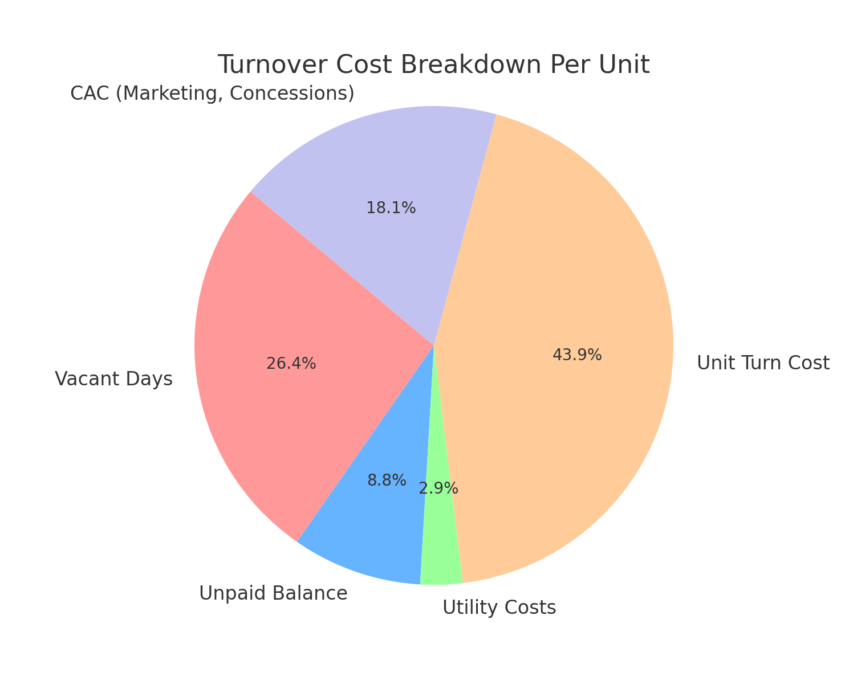
Turnover costs are staggering. Let’s break it down for a typical 250-unit property:

  • Rent: $1,253/month
  • Days vacant: 39
  • Unpaid balance at move-out: $415
  • Vacant utility cost: $135
  • Unit turn cost: $2,075
  • CAC (marketing, concessions, screening, etc.): $856

Total per unit: $5,109

For a property with a 50% turnover rate (116 units/year), this translates to an annual turnover cost of $592,644.

The takeaway? Turnover is one of the most significant threats to profitability, but it’s also an area where small changes can yield big results.


Why Turnover is So Expensive
Turnover isn’t just about the time and money spent getting a unit ready for a new resident. It impacts every layer of your NOI:

  1. Vacant Days
    Every day a unit sits empty is lost revenue. With an average vacancy period of 39 days, properties are bleeding cash while waiting for new leases.
  2. Marketing Costs
    Filling empty units requires marketing dollars, leasing staff time, and often concessions to entice renters.
  3. Operational Strain
    Maintenance teams are stretched thin with unit turns, delaying responsiveness to existing residents—a vicious cycle that can drive further turnover.

Small Adjustments, Big Gains
The good news? You don’t have to overhaul your operations to make an impact. Incremental improvements can significantly boost NOI.

  • Reduce Turnover Rates:
    Cutting turnover from 50% to 45% could add $61,308 in NOI annually.
  • Shorten Vacant Days:
    Reducing vacancy periods from 39 days to 35 days could generate $16,790 in additional NOI.
  • Lower Unpaid Balances:
    A 25% reduction in unpaid balances adds $10,400 to NOI.
  • Streamline Unit Turn Costs:
    Trimming unit turn costs by 20% results in an extra $48,140 in NOI.

These seemingly small changes can snowball into significant financial gains.


The Role of Resident Retention
At its core, reducing turnover comes down to retention. Properties that prioritize resident satisfaction are reaping the rewards:

  • Faster maintenance response times build trust and loyalty.
  • Thoughtful amenities, like well-designed closet systems, enhance daily living.
  • Transparent communication ensures residents feel valued and heard.

Retention isn’t just about keeping residents happy—it’s about keeping your NOI intact.


The Final Turn
As you plan for 2025, ask yourself:

  • How can you make retention a priority?
  • Where can you tighten up your turnover processes?

Turnover isn’t just a cost of doing business—it’s an opportunity to do better. By focusing on the metrics that matter, you can protect your NOI, improve resident satisfaction, and position your property for long-term success.

Want to learn more about how thoughtful upgrades, like Spatia Designs’ closet systems, can help you reduce turnover? DM us on LinkedIn & check out our Gallery to see our LOGIC and LUXE closet systems!

Ready to upgrade your closets? Get 40% off your first order—exclusively for our newsletter subscribers. [Click here to claim your discount!]